
What Makes High-Quality Cabinets? A Guide to Cabinet Construction
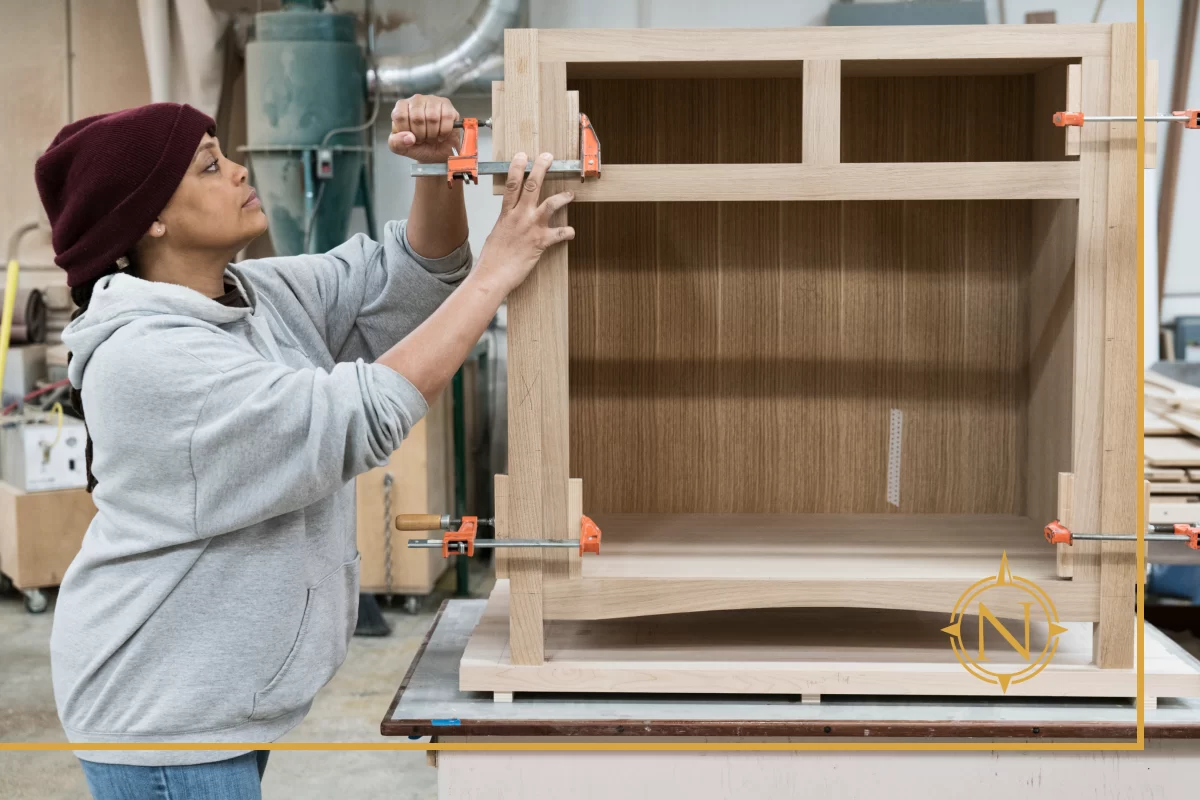
When homeowners begin planning a kitchen renovation, cabinet style often gets most of the attention. Colour, door profiles, and hardware are easy to visualize. But behind every cabinet door is something far more important: how the cabinet is actually built.
Cabinet construction determines how long your kitchen will last, how well doors and drawers operate over time, and how the cabinetry handles everyday use.
Understanding a few basic construction details can help homeowners make better decisions when comparing cabinet options.
The Difference Between Cabinet Style and Cabinet Structure
Cabinet style refers to the visible elements of cabinetry—door design, finish colour, hardware, and trim details.
Cabinet construction refers to the internal structure that supports everything:
- cabinet box materials
- joinery methods
- drawer construction
- hinge and slide hardware
- structural reinforcement
Two kitchens may look similar at first glance but perform very differently depending on how the cabinets were built.
Cabinet Box Materials Matter
The cabinet box forms the foundation of the entire system.
Higher quality cabinets often use materials such as:
- furniture-grade plywood
- high-density engineered wood
- durable cabinet-grade panels
Lower quality cabinetry sometimes relies on thinner particleboard or lightweight materials that may not hold fasteners well over time.
Durable cabinet boxes provide the stability needed for long-term performance, especially in kitchens where cabinets support heavy dishes, cookware, and appliances.
Drawer Construction Is a Major Quality Indicator
Drawers are one of the most frequently used components of any kitchen.
Well-constructed drawers typically feature:
- solid drawer sides
- strong joinery
- full-extension drawer slides
- soft-close mechanisms
These features help drawers handle daily use without loosening, sticking, or sagging over time.
Hardware Plays a Bigger Role Than Many Homeowners Realize
Hinges and drawer slides may seem like small details, but they significantly affect how cabinets feel and function.
Quality hardware ensures:
- smooth door operation
- quiet closing mechanisms
- consistent alignment over time
- long-term durability
Because kitchen cabinets are used constantly, reliable hardware can make a noticeable difference in everyday usability.
Precision Matters in Custom Cabinetry
One advantage of custom cabinetry is the ability to build cabinets specifically for the space rather than forcing standard sizes to fit.
Custom cabinets allow for:
- precise measurements for the room
- better integration with appliances
- improved storage efficiency
- seamless alignment throughout the kitchen
This level of precision helps create kitchens that feel intentional and well designed rather than pieced together from standard sizes.
Construction Quality Affects Long-Term Value
Cabinetry represents one of the largest investments in a kitchen renovation. Choosing well-built cabinets helps ensure that investment lasts.
Quality construction helps cabinets:
- maintain structural integrity
- resist daily wear
- support heavy storage loads
- maintain alignment over time
For homeowners planning to stay in their home long-term, these factors often matter more than short-term cosmetic trends.
Choosing Cabinets That Balance Style and Durability
Every kitchen renovation involves balancing design preferences, functionality, and budget.
Understanding how cabinets are built can make it easier to compare options and ask the right questions when meeting with cabinet professionals.
When construction quality, installation expertise, and thoughtful design work together, the result is cabinetry that performs well and looks great for many years.