
How Custom Cabinets Are Built: Behind the Scenes at True North Cabinetry
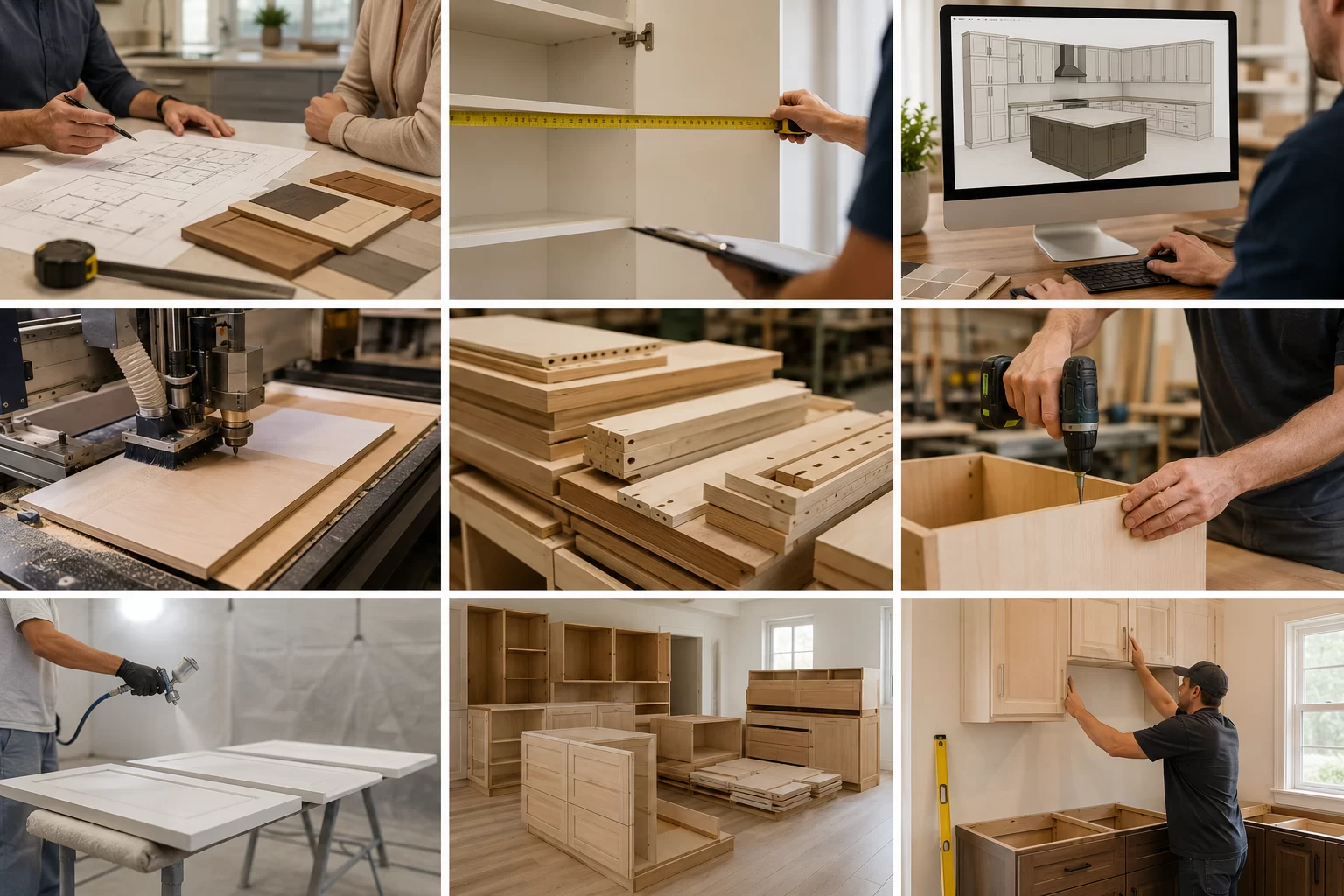
When homeowners invest in custom cabinetry, they’re often focused on the finished product—the beautiful kitchen, the perfectly organized pantry, or the custom built-ins that transform a space.
What many people don’t see is the craftsmanship, planning, and attention to detail that happens behind the scenes before those cabinets are ever installed.
At True North Cabinetry, every project follows a carefully coordinated process designed to ensure quality, functionality, and lasting value. From the initial consultation to final installation, our team works closely with homeowners to create cabinetry that fits their space, style, and everyday needs.
Here’s a look behind the scenes at how custom cabinets are built.
Step 1: Initial Consultation and Discovery
Every successful cabinetry project starts with a conversation.
During the consultation phase, we take time to understand:
- How the space will be used
- Storage requirements
- Design preferences
- Project goals
- Budget considerations
- Timeline expectations
Whether the project involves a kitchen renovation, bathroom vanity, mudroom, laundry room, or custom built-ins, understanding the homeowner’s vision is an important first step.
This stage allows us to identify opportunities to improve functionality while creating a design that complements the home.
Step 2: Measurements and Site Evaluation
Accurate measurements are essential to successful custom cabinetry.
Our team carefully evaluates the space and documents:
- Room dimensions
- Ceiling heights
- Window locations
- Appliance specifications
- Plumbing locations
- Electrical considerations
- Architectural features
Because every home is different, precise measurements help ensure the cabinetry is manufactured to fit the space perfectly.
This attention to detail helps eliminate surprises during installation and contributes to a smoother overall project.
Step 3: Custom Cabinet Design
Once measurements have been completed, the design process begins.
This stage focuses on creating cabinetry that balances aesthetics and functionality.
Homeowners work with our team to select:
- Cabinet styles
- Door profiles
- Colours and finishes
- Hardware options
- Storage features
- Interior organization solutions
Layout planning also takes place during this phase.
We consider how homeowners move through the space, where items will be stored, and how cabinetry can improve day-to-day efficiency.
The result is a customized design tailored specifically to the client’s home and lifestyle.
Step 4: Material Selection
Choosing the right materials is an important part of the custom cabinetry process.
Different materials offer different advantages depending on the project’s goals.
Common cabinet materials include:
MDF (Medium Density Fibreboard)
MDF is frequently used for painted cabinetry because of its smooth surface and consistent finish quality.
Plywood
Plywood offers excellent strength, durability, and stability, making it a popular choice for cabinet construction.
Hardwood Components
Hardwood is often used for decorative elements, specialty applications, and select cabinetry features where natural wood grain is desired.
Laminate and Specialty Finishes
Modern laminate products provide durable and attractive finish options that can complement a wide range of design styles.
Material recommendations are made based on the project’s aesthetic goals, budget, and long-term performance requirements.
Step 5: Cabinet Manufacturing
Once the design and materials have been finalized, manufacturing begins.
This is where the project moves from concept to reality.
Cabinet components are carefully fabricated according to approved specifications.
The manufacturing process includes:
- Material preparation
- Precision cutting
- Component assembly
- Hardware preparation
- Quality inspections
- Finishing preparation
Because our cabinetry is manufactured locally in Edmonton, we maintain greater control over quality throughout the production process.
Local manufacturing also allows for better communication and coordination should adjustments be required.
Step 6: Finishing and Quality Control
Before installation, cabinetry undergoes finishing and quality review.
This stage may include:
- Painting
- Staining
- Protective coatings
- Hardware installation
- Final inspections
Every component is carefully reviewed to ensure it meets our standards before leaving the shop.
Quality control is one of the biggest advantages of working with a local cabinet manufacturer.
Issues can be identified and addressed before installation begins, helping minimize delays and ensuring a better final result.
Step 7: Installation Preparation
Once manufacturing is complete, the project moves into installation planning.
This includes coordinating:
- Delivery schedules
- Site readiness
- Installation sequencing
- Trades coordination when required
Proper planning helps ensure the installation process proceeds efficiently and with minimal disruption.
Step 8: Professional Installation
Installation is where all of the planning and craftsmanship come together.
Our installation team carefully positions and secures each cabinet to ensure proper alignment, functionality, and appearance.
This stage includes:
- Cabinet installation
- Hardware installation
- Final adjustments
- Door alignment
- Drawer adjustments
- Site review
Because the cabinetry was custom-built for the space, installation is typically more precise than working with stock cabinet systems.
Attention to detail during installation helps ensure the finished product performs as intended for years to come.
Why Local Cabinet Manufacturing Matters
Many homeowners are surprised by how much coordination occurs between design, manufacturing, and installation.
By manufacturing cabinets locally in Edmonton, True North Cabinetry maintains greater oversight throughout every stage of the project.
Benefits of local manufacturing include:
- Better quality control
- Faster communication
- Improved project coordination
- Greater customization
- Reduced risk of shipping delays
- More responsive customer service
These advantages help create a smoother experience for homeowners and contribute to higher-quality results.
A Custom Cabinetry Process Built Around You
No two homes are exactly alike, which is why no two cabinetry projects should be either.
At True North Cabinetry, every project is designed around the homeowner’s goals, storage needs, style preferences, and available space.
From the first consultation to the final installation, our focus is on delivering cabinetry that combines craftsmanship, functionality, and lasting value.
Learn More About the Custom Cabinetry Process
If you’re considering custom cabinetry for your home, we’d love to show you what’s possible.
Contact True North Cabinetry today to learn more about our design, manufacturing, and installation process and discover how custom cabinetry can transform your space.