
Custom vs Stock Cabinets: Which is Best for Your Budget?
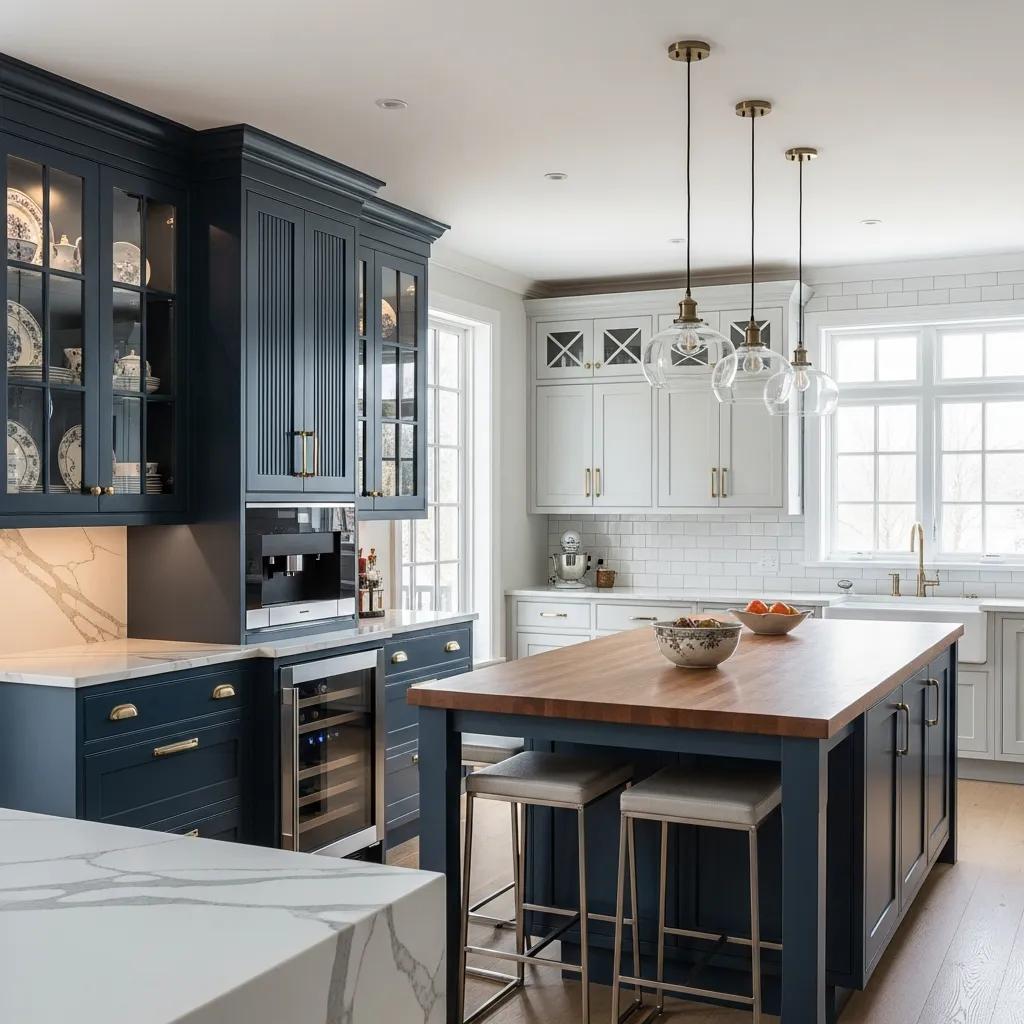
Custom vs Stock Cabinets Cost: Which Is Best for Your Budget?
When it comes to kitchen renovations, one of the most significant decisions homeowners face is whether to choose custom or stock cabinets. This choice can greatly impact both the aesthetic and functionality of your space, as well as your overall budget. In this article, we will explore the key differences between custom and stock cabinets, helping you understand which option best suits your needs and financial constraints. By the end, you will have a clearer picture of the costs involved, the pros and cons of each type, and how to plan your budget effectively.
Understanding the distinctions between custom and stock cabinets is crucial for making an informed decision. We will delve into their features, costs, and the materials used, as well as installation and maintenance considerations. Additionally, we will highlight how True North Cabinetry specializes in custom cabinetry solutions tailored to homeowners, providing quality craftsmanship and personalized design options.
What Are the Key Differences Between Custom and Stock Cabinets?
Custom cabinets are tailored to meet specific design preferences and spatial requirements, allowing for a high degree of personalization. They are built to order, which means homeowners can choose the materials, finishes, and dimensions that best fit their needs. This flexibility often results in a unique and cohesive look that enhances the overall design of the kitchen.
In contrast, stock cabinets are pre-manufactured and available in standard sizes and styles. While they can be more affordable and quicker to obtain, they often lack the customization options that many homeowners desire. Understanding these differences is essential for making a choice that aligns with your vision and budget.
How Do Custom Cabinets Offer Design Flexibility and Personalization?

Custom cabinets provide unparalleled design flexibility, allowing homeowners to create a space that reflects their personal style. With options for various materials, finishes, and hardware, custom cabinetry can be tailored to fit any aesthetic, from modern to traditional. Homeowners can also specify unique features such as specialized storage solutions, integrated lighting, and custom dimensions to maximize space efficiency.
This level of personalization not only enhances the visual appeal of the kitchen but also improves functionality. For instance, custom drawer layouts can be designed to accommodate specific kitchen tools or appliances, making everyday tasks more convenient.
Research further emphasizes the intricate process of designing and estimating costs for highly customized kitchen cabinet solutions.
What Are the Typical Features and Limitations of Stock Cabinets?

Stock cabinets typically come with a set of standard features, including a limited selection of finishes and styles. They are mass-produced, which means they can be more affordable and readily available. However, this also means that homeowners may have to compromise on certain design elements, as customization options are often minimal.
One limitation of stock cabinets is their size; they are available in standard dimensions, which may not fit all kitchen layouts perfectly. This can lead to wasted space or the need for additional modifications, which can negate some of the cost savings associated with stock options.
How Does Cost Compare Between Custom and Stock Cabinets?
When comparing the costs of custom and stock cabinets, it’s essential to consider various factors that influence pricing. Custom cabinets generally come with a higher price tag due to the bespoke nature of their design and construction. However, they can offer better value in terms of quality and longevity.
Understanding the economic analysis of manufacturing costs is crucial for both custom and stock cabinet production.
Stock cabinets, on the other hand, are typically more budget-friendly, making them an attractive option for homeowners looking to save money. However, the trade-off may be in the quality and fit of the cabinets, which can affect the overall kitchen experience.
What Factors Influence Custom Cabinets Cost?
Several factors contribute to the cost of custom cabinets, including the materials used, the complexity of the design, and labor costs. High-quality materials such as hardwoods and premium finishes will increase the overall price. Additionally, intricate designs or specialized features, such as custom moldings or built-in appliances, can also add to the cost.
Labor costs can vary based on the complexity of the installation and the expertise of the craftsmen involved. It’s essential to factor in these elements when budgeting for custom cabinetry to ensure a realistic financial plan.
How Affordable Are Stock Cabinets Compared to Custom Options?
Stock cabinets are generally more affordable than their custom counterparts, with prices varying based on the brand and materials used. On average, stock cabinets can range from $100 to $300 per linear foot, while custom cabinets typically start around $500 per linear foot and can go up to $1,200 or more depending on the specifications.
While stock cabinets may seem like a cost-effective solution, it’s important to consider the potential need for modifications or additional materials to achieve the desired look and functionality. This can sometimes offset the initial savings, making it crucial to evaluate the total cost of ownership.
What Are the Pros and Cons of Custom and Stock Cabinets?
Both custom and stock cabinets have their advantages and disadvantages, which can significantly influence your decision.
- Advantages of Custom Cabinets:Personalization: Custom cabinets allow for tailored designs that fit your specific needs and style.Quality: Typically made from higher-quality materials, custom cabinets can offer better durability and longevity.Unique Features: Homeowners can incorporate specialized storage solutions and unique design elements.
- Drawbacks of Custom Cabinets:Cost: Custom cabinets are generally more expensive than stock options.Time: The manufacturing process can take longer, delaying your renovation timeline.
- Advantages of Stock Cabinets:Affordability: Stock cabinets are usually less expensive and can fit tighter budgets.Availability: They are readily available and can be installed quickly.
- Drawbacks of Stock Cabinets:Limited Customization: Options for personalization are often restricted, which may not meet all design needs.Quality Variability: The quality of materials can vary, potentially leading to shorter lifespans.
What Are the Advantages of Choosing Custom Cabinets?
Choosing custom cabinets offers several advantages that can enhance both the functionality and aesthetic of your kitchen. One of the primary benefits is improved storage solutions that are tailored to your specific needs. For example, custom kitchen drawers can be designed to accommodate various utensils and appliances, making your kitchen more organized and efficient.
Additionally, custom cabinets allow for a cohesive design that aligns with your overall home decor. This level of personalization ensures that your kitchen not only meets your practical needs but also reflects your personal style, creating a space that you will love for years to come.
What Are the Benefits and Drawbacks of Stock Cabinets?
Stock cabinets provide a range of benefits, particularly for homeowners on a budget. Their affordability and quick availability make them an attractive option for those looking to renovate without breaking the bank. However, the limitations in customization can be a significant drawback for those seeking a unique design.
While stock cabinets can be a practical choice, it’s essential to weigh these benefits against the potential downsides, such as the need for modifications and the possibility of lower quality materials. Understanding these factors can help you make a more informed decision.
How Do Cabinet Materials and Quality Affect Budget and Value?
The materials used in cabinetry play a crucial role in determining both the budget and the overall value of the cabinets. High-quality materials not only enhance the appearance of the cabinets but also contribute to their durability and longevity.
The concept of product durability is multifaceted, encompassing various elements from initial design to ongoing maintenance.
Custom cabinets often utilize premium materials, such as solid wood and high-grade finishes, which can significantly increase their cost. In contrast, stock cabinets may use lower-quality materials, which can affect their lifespan and overall value.
Which Materials Are Commonly Used in Custom Cabinets?
Custom cabinets are typically made from high-quality materials that enhance their durability and aesthetic appeal. Common materials include: cabinet hardware.
- Solid Wood: Offers a classic look and exceptional durability.
- Plywood: Provides strength and stability, often used for cabinet boxes.
- MDF (Medium Density Fiberboard): A cost-effective option that can be painted or veneered for a polished finish.
These materials not only contribute to the overall quality of the cabinets but also allow for a range of design options that can elevate the kitchen’s appearance.
What Materials Are Typical for Stock Cabinets?
Stock cabinets are often constructed from more affordable materials, which can impact their quality and longevity. Common materials include: services
- Particleboard: A budget-friendly option that may not withstand heavy use.
- Laminate: Provides a variety of finishes but can be less durable than wood.
- Plywood: Sometimes used in stock cabinets for added strength, though often of lower quality than custom options.
While these materials can be suitable for many homeowners, it’s essential to consider their long-term durability and how they align with your kitchen’s design goals.
What Should You Know About Installation, Warranty, and Maintenance Costs?
Understanding the installation process, warranty options, and maintenance costs associated with cabinetry is vital for making an informed decision. These factors can significantly impact your overall budget and satisfaction with your cabinetry choice.
How Does Installation Differ Between Custom and Stock Cabinets?
The installation process for custom cabinets typically requires more time and expertise, as each piece is tailored to fit specific dimensions and design elements. This can lead to higher labor costs but often results in a more polished and professional finish.
In contrast, stock cabinets are generally easier and quicker to install, as they come in standard sizes. This can save on labor costs and reduce the overall timeline for your renovation project.
What Warranty and Maintenance Options Are Available?
Warranties for cabinetry can vary significantly between custom and stock options. Custom cabinets often come with longer warranties, reflecting the higher quality of materials and craftsmanship. It’s essential to inquire about warranty details when selecting your cabinetry to ensure you are protected against defects.
Maintenance costs can also differ; custom cabinets may require specific care based on the materials used, while stock cabinets may have more straightforward maintenance requirements. Understanding these aspects can help you plan for the long-term care of your cabinetry.
How Can You Plan Your Budget and Choose the Best Cabinet Style?
Planning your budget effectively is crucial for a successful kitchen renovation. By understanding the costs associated with both custom and stock cabinets, you can make a more informed decision that aligns with your financial goals.
What Tools Help Estimate Custom Cabinets Cost Accurately?
Several tools can assist in estimating the cost of custom cabinets, including online calculators and design software. These resources can help you visualize your space and understand the potential costs associated with different materials and designs.
Additionally, consulting with professionals, such as those at True North Cabinetry, can provide valuable insights into the budgeting process and help you make informed decisions based on your specific needs.
The choice between custom and stock cabinets ultimately depends on your specific needs, budget, and design preferences.
By carefully considering the differences, costs, and benefits of each option, you can create a kitchen that not only meets your functional requirements but also reflects your personal style. Contact us today for a plan tailored to your budget and the ultimate goals for your home.